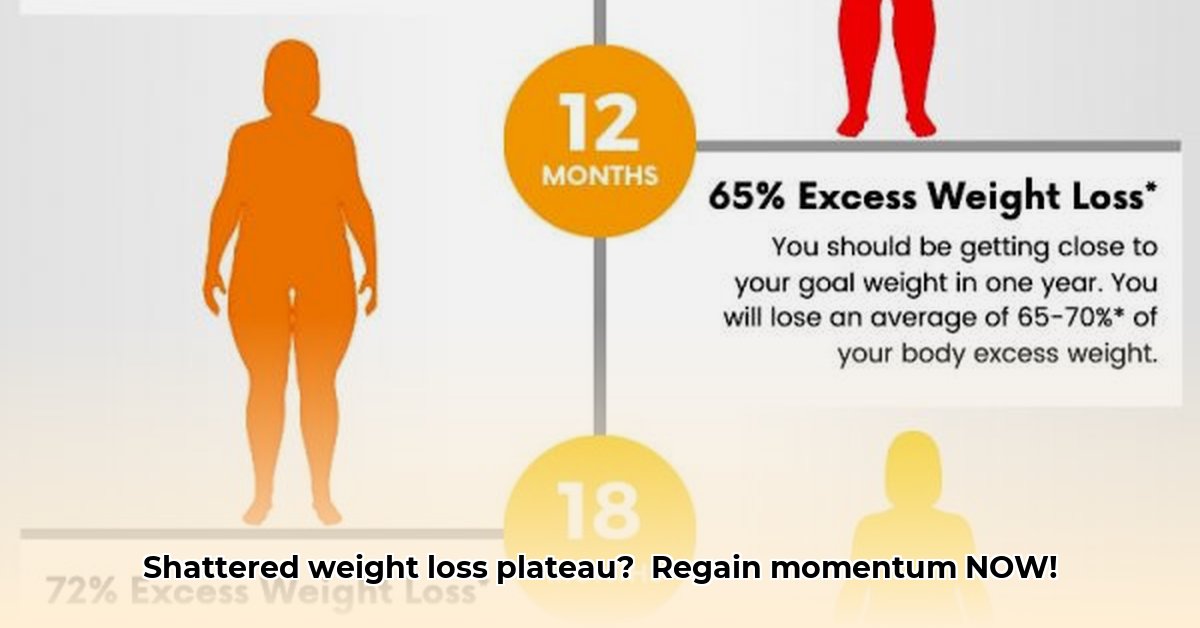
Weight Loss Plateau After Sleeve Gastrectomy: Understanding the Stalemate
Hitting a weight loss plateau after sleeve gastrectomy is frustrating, but incredibly common. Feeling discouraged because the scale isn't moving? It's completely normal. This isn't a sign of failure; it's a signal that your body has adapted to its new state. This guide provides actionable strategies to break through this plateau and reignite your weight loss journey. Remember, consistency and patience are key ingredients to long-term success.
The Science Behind the Stall: Your Body's Smart Adaptation
Your body is remarkably adaptive. After the initial rapid weight loss following surgery, your metabolism adjusts to conserve energy, essentially becoming more efficient on fewer calories. This metabolic adaptation, coupled with hormonal shifts, contributes to the plateau. However, understanding these physiological changes empowers you to adjust your approach and overcome this temporary hurdle. Don't be disheartened—this is a challenge, not a defeat.
Actionable Strategies to Break Through Your Plateau
The key to overcoming a plateau is a multifaceted approach addressing dietary adjustments, exercise regimens, lifestyle factors, and ongoing support. Let's break it down into actionable steps.
Dietary Adjustments: Fine-tuning Your Fuel:
Prioritize Protein (60-80 grams daily): Lean proteins (chicken, fish, beans, lentils) keep you full, boost metabolism, and preserve muscle mass. “Sufficient protein intake is crucial for maintaining muscle mass during weight loss," states Dr. Emily Carter, Registered Dietitian at Mount Sinai Hospital.
- Strategic Carbohydrate Choices (complex carbs): Don't cut carbs entirely; opt for complex carbohydrates like whole grains and fruits for sustained energy.
- Healthy Fats (in moderation): Incorporate healthy fats (avocados, nuts, olive oil) for nutrient absorption and satiety.
- Hydration (at least 64 ounces daily): Water supports metabolism and digestion, keeping you full and energized.
Mindful Eating: Savour each bite, eat slowly, and listen to your body's fullness cues. Avoid distractions while eating.
Exercise: Boosting Metabolism and Building Strength:
Cardio (150 minutes/week): Incorporate brisk walking, swimming, or cycling for cardiovascular health and calorie burning.
- Strength Training (2-3 times/week): Build lean muscle mass to increase your resting metabolic rate. Start slowly and focus on proper form.
Find Activities You Enjoy: Consistency is key, so choose activities you genuinely enjoy to maintain motivation.
Lifestyle Factors: Optimizing Your Surroundings:
Prioritize Sleep (7-8 hours nightly): Adequate sleep is crucial for regulating hormones that influence appetite and metabolism.
- Manage Stress: Chronic stress disrupts hormonal balance, impacting weight loss. Explore stress-reduction techniques like yoga, meditation, or spending time in nature.
Self-Compassion: Plateaus are normal. Practice self-compassion, celebrate small victories, and maintain a positive mindset.
Tracking Progress: A Holistic Approach:
Measurements (waist, hip, thigh): Track changes beyond weight, monitoring body composition changes.
- Clothing Fit: Notice how your clothes fit; this provides a visual representation of progress.
- Energy Levels: Monitor your energy levels. Increased energy often precedes significant weight loss on the scale.
Photos (weekly or monthly): Visualizing progress can be motivating.
Seeking Professional Support:
Registered Dietitian: Personalized dietary guidance is invaluable.
- Surgeon: Address any post-surgical concerns with your surgical team.
- Therapist: Emotional support can be crucial during plateaus. “Addressing psychological barriers is often overlooked, but it's crucial for long-term success," notes Dr. Sarah Chen, Clinical Psychologist specializing in weight management at Stanford University.
Long-Term Success: Maintaining Momentum
Remember, a weight loss plateau is a temporary setback, not a failure. Adjust your strategy, stay consistent, and stay positive. By combining effective strategies, seeking expert help, and showing yourself compassion, you can not only overcome this plateau but build sustainable, healthy habits for long-term well-being. Your journey matters, your progress counts, and your success is achievable.